Why Choosing the Right Breville Espresso Machine Matters
The home espresso market in the United States has evolved dramatically over the past decade. What was once a niche hobby reserved for coffee enthusiasts has now become a mainstream lifestyle shift. More Americans are trading long café lines for in-kitchen espresso bars, and at the center of this movement stands one brand: Breville.
But here’s the challenge: Breville doesn’t offer just one espresso machine. It offers an ecosystem. From compact entry-level models to near-commercial dual boiler systems, the lineup can feel overwhelming. Prices range from a few hundred dollars to well over two thousand. Features vary from simple manual controls to touchscreens that practically coach you through your first cappuccino.
So which model is truly worth your money?
This comprehensive comparison breaks down performance, durability, comfort, automation level, and real-world usability to help U.S. buyers make an informed investment decision. Whether you’re a beginner looking for your first espresso machine or a seasoned home barista chasing perfection, this guide will help you choose with clarity and confidence.
Understanding the Breville Brand and Its Espresso Philosophy
Breville’s espresso machines reflect a simple but powerful philosophy: bridge the gap between café-quality performance and home usability.
Unlike brands that focus purely on professional equipment, Breville designs machines that feel intuitive. Its models frequently include built-in grinders, PID temperature control, pre-infusion settings, and thoughtfully designed interfaces that simplify complex brewing science.
The result? Machines that deliver high performance without requiring barista school certification.
Breville stands apart because it balances:
- Engineering precision
- User-friendly ergonomics
- Durable construction
- Modern design aesthetics
It’s not about complexity for its own sake. It’s about control when you want it and guidance when you need it.
Key Factors That Determine Espresso Machine Value
Before diving into individual models, it’s essential to define what “worth your money” actually means.
Performance: Pressure, Temperature, and Extraction Precision
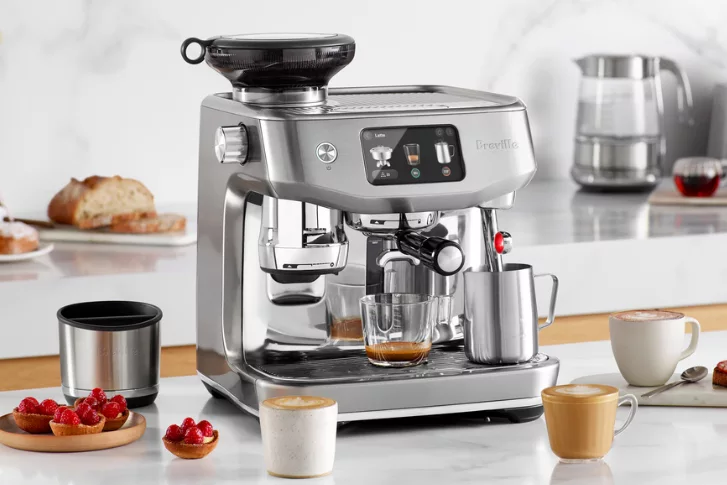
Espresso is chemistry. If temperature fluctuates or pressure varies mid-shot, flavor collapses. High-quality Breville machines use digital PID temperature control, ensuring water remains within optimal extraction ranges.
Lower-end machines from other brands often rely on thermostats that swing widely in temperature. The difference is dramatic: stable heat produces balanced sweetness, while unstable heat leads to bitterness or sourness.
Breville’s pre-infusion technology gently saturates grounds before full pressure hits. Think of it like warming up before a sprint—it improves consistency and extraction clarity.
Durability and Build Quality
Durability is often overlooked during purchase but becomes critical after year three.
Breville machines generally feature:
- Stainless steel exteriors
- Commercial-style portafilters
- Solid internal heating systems
While not all components match commercial café machines, they outperform many consumer-level competitors in this price range.
Comfort and Ease of Use
Comfort in espresso making means:
- Logical control placement
- Fast heat-up times
- Easy milk steaming
- Simple cleaning routines
Breville designs workflows that feel natural. The grinder-to-portafilter alignment minimizes mess. Drip trays are thoughtfully sized. Steam wands articulate smoothly.
Comfort matters because espresso is a daily ritual, not a one-time event.
Overview of Breville Espresso Machine Categories
Breville’s lineup generally falls into these segments:
- Compact machines (Bambino series)
- Mid-range integrated grinder machines (Barista series)
- Advanced dual boiler machines
- Fully automated luxury models (Oracle series)
Each serves a different type of buyer.
Breville Barista Express vs Barista Pro
The Barista series is arguably the most popular segment in the U.S. market.
Barista Express: The Classic All-in-One
The Barista Express integrates a conical burr grinder and semi-automatic espresso system in one unit. It offers manual dose control and adjustable grind size.
Strengths:
- Excellent value for performance
- Built-in grinder saves space
- Reliable extraction quality
Limitations:
- Slower heat-up compared to newer models
- No digital shot timer
It’s ideal for beginners who want control without overwhelming complexity.
Barista Pro: Speed and Precision Upgraded
The Barista Pro improves upon the Express with a faster ThermoJet heating system and an LCD display.
It heats in seconds rather than minutes. The display provides shot timing and grind feedback.
If the Express is a reliable sedan, the Pro is a tuned performance version.
For buyers who value speed and clarity of feedback, the Pro justifies its slightly higher price.
Breville Barista Touch: Smart Automation for Modern Kitchens
The Barista Touch adds a touchscreen interface and guided drink menus.
Instead of manually adjusting everything, users can select latte, cappuccino, or flat white, and the machine walks them through the process.
Milk texturing becomes automatic with adjustable temperature and froth settings.
This machine suits:
- Busy households
- Users who want consistency without learning curves
- Design-conscious kitchens
It sacrifices a bit of hands-on control for convenience—but for many buyers, that’s a worthy trade.
Breville Bambino & Bambino Plus: Compact Powerhouses
Not everyone has counter space for a large machine.
The Bambino series proves that small doesn’t mean weak.
Bambino
- Ultra-compact
- Fast heat-up
- Requires separate grinder
It’s best for small apartments or minimalistic kitchens.
Bambino Plus
Adds automatic milk texturing and enhanced steam performance.
While these machines lack integrated grinders, they shine in speed and space efficiency.
For budget-conscious buyers willing to purchase a separate grinder, the Bambino line offers strong value.
Breville Dual Boiler: Professional-Level Performance at Home
For serious enthusiasts, the Dual Boiler represents Breville’s performance peak.
It features:
- Separate boilers for brewing and steaming
- Simultaneous milk and espresso preparation
- Precise temperature adjustment
This machine caters to users who chase café-level control.
It’s not entry-level—but for espresso purists, it offers unmatched consistency in the Breville lineup.
Breville Oracle & Oracle Touch: Fully Automated Luxury
The Oracle series automates grinding, dosing, tamping, and milk texturing.
It bridges the gap between manual craftsmanship and super-automatic convenience.
Buyers who want near-café automation without sacrificing shot quality gravitate toward these models.
They are premium investments—but for daily multi-drink households, they can justify their cost.
Comfort in Daily Use: Workflow, Noise, Cleaning, and Maintenance
Breville machines are engineered around daily usability.
- Removable drip trays simplify cleaning
- Clear water reservoirs prevent guesswork
- Steam wands purge automatically
Noise levels are moderate and comparable across the lineup.
The real comfort difference lies in workflow. Integrated grinders reduce steps. Touchscreens reduce cognitive load. Dual boilers reduce waiting.
Durability and Long-Term Investment Value
When calculating worth, divide cost by usage.
If you make two drinks per day, even a $1,500 machine costs pennies per cup over five years.
Breville machines generally hold strong resale value, especially mid-range models.
Regular descaling and proper maintenance significantly extend lifespan.
Breville vs Competitors: How It Compares to De’Longhi, Gaggia, and Jura
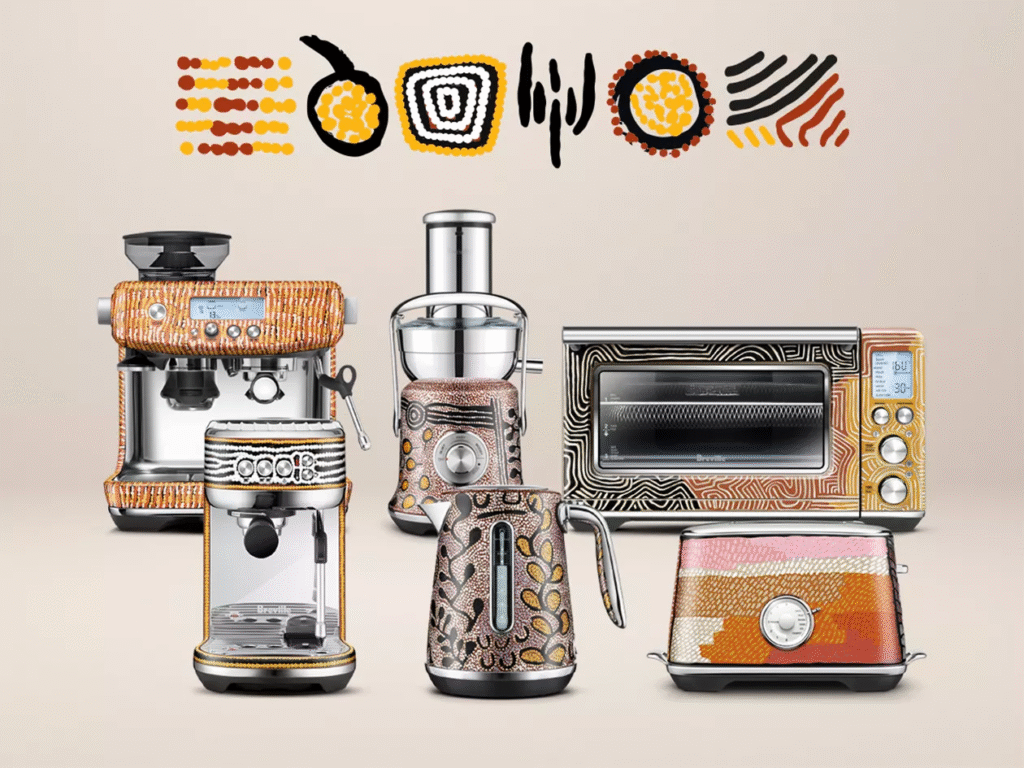
Compared to De’Longhi, Breville often offers more intuitive interfaces and better temperature stability in mid-range models.
Compared to Gaggia, Breville prioritizes modern design and beginner accessibility over traditional manual heritage.
Compared to Jura, Breville offers more manual control at lower price points, while Jura dominates in fully automatic systems.
Breville’s sweet spot is the balance between control and convenience.
Common Buyer Questions and Misconceptions
Many buyers assume higher price always equals better espresso. Not necessarily. Skill and grinder quality matter enormously.
Others fear semi-automatic machines are too complex. In reality, Breville’s guided interfaces reduce that fear dramatically.
Milk frothing also intimidates beginners. With practice—or automatic steam systems—it becomes routine.
Which Breville Espresso Machine Is Worth Your Money? Buyer Scenarios
Budget-Conscious Beginner: Bambino Plus
Balanced Home Barista: Barista Pro
Tech-Loving Household: Barista Touch
Serious Enthusiast: Dual Boiler
Luxury Automation Seeker: Oracle Touch
The right choice depends on lifestyle, not just price.
Final Verdict: Matching the Machine to Your Lifestyle and Budget
Breville espresso machines represent one of the most versatile and thoughtfully engineered lineups available to U.S. buyers today.
No single model is universally “best.” The real value lies in alignment.
If you crave control and experimentation, choose a semi-automatic model with room to grow.
If you prioritize speed and simplicity, embrace touchscreen automation.
If you want professional-level precision, invest in dual boiler performance.
The smartest purchase is the one that fits seamlessly into your daily routine—because the best espresso machine is the one you’ll use every morning.
Frequently Asked Questions
1. Do Breville espresso machines require a separate grinder?
Some models include built-in grinders (Barista series, Oracle series), while others like the Bambino require a separate burr grinder for optimal results.
2. How long do Breville espresso machines typically last?
With proper maintenance and regular descaling, most Breville machines can last 5–10 years in home use.
3. Is the Breville Dual Boiler worth the higher price?
For serious enthusiasts who demand temperature precision and simultaneous brewing and steaming, yes—it offers significant performance advantages.
4. Are Breville machines beginner-friendly?
Yes. Many models include guided interfaces and automation features that simplify espresso preparation.
5. Which Breville model offers the best value for most households?
The Barista Pro strikes the strongest balance between performance, speed, durability, and price for the average U.S. home user.
Author

admin@666.com
Related Posts
Turn Your Dream Trip Into Reality: How to Book French Polynesia the Smart Way
French Polynesia isn’t just a destination—it’s a symbol. For many Americans, it represents the pinnacle of travel achievement: remote, refined, and impossibly...
Read out allThe Complete Guide to Using Airwallex for International Business Payments
Global commerce no longer belongs only to multinational corporations. Today, U.S.-based startups, e-commerce brands, SaaS companies, agencies, and even solo founders routinely...
Read out all
Why Australians Trust Lenovo for Performance, Durability, and Style
IntroductionLenovo has established itself as a leading technology brand across the globe, and Australia is no exception. With a rich legacy of...
Read out all
DistroKid for Beginners: Everything You Need to Know Before Signing Up
Releasing music today is easier than ever—but choosing the right distribution platform can feel overwhelming, especially if you’re a beginner. Among dozens...
Read out allHow to Build the Perfect Anti-Ageing Skincare Routine with SkinMedica
Introduction: Why SkinMedica Is the Choice for Ageing GracefullyIn the UK, where weather can shift from damp mornings to dry central heating...
Read out allLovehoney UK’s New Arrivals You’ll Want to Add to Cart ASAP
Introduction: The Power of Pleasure and InnovationLovehoney has long been a pioneer in the world of sexual wellness, known for its innovation,...
Read out all